Before You Hire a Contractor After Hurricane Isaias, Ask These Questions
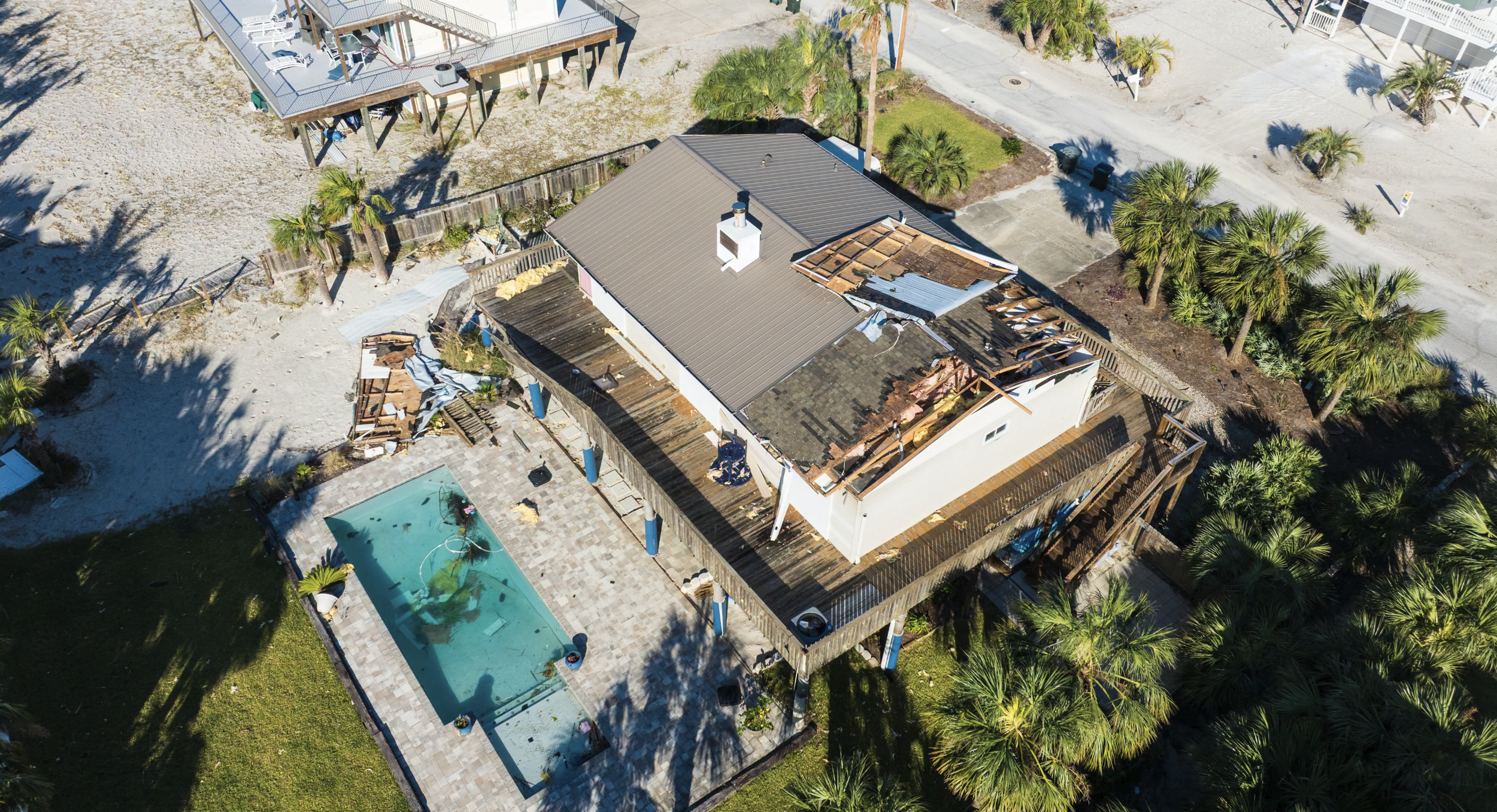
Photo taken by Pensacola Vibes
A week after Hurricane Isaias, Pensacola looks a little different.
There are still tarps on roofs. Trees and limbs are piled along roads. Some homeowners are waiting on estimates. Others already have contractors knocking on the door or calling because somebody passed their name along.
And then there are the houses where the damage isn't as simple as a few missing shingles.
The City of Pensacola has reported storm damage ranging from minor to major at several facilities, including damage involving roof trusses and part of an existing wall at one city project. Around the area, homeowners are dealing with everything from damaged roofing and fallen trees to water getting inside and parts of homes that may need more than a roofing repair.
That makes choosing the right contractor especially important right now.
After a hurricane, everybody wants the same thing: get the house dry, get it safe, and get life back to normal.
Unfortunately, that urgency can also make it easy to hire the first person who says they can start tomorrow.
Before you sign anything, slow down long enough to ask a few questions.
Not because every contractor who shows up after a storm is trying to take advantage of you. Plenty of good contractors are working long days right now trying to help people.
You just need to make sure the person you're hiring is actually qualified for the work your house needs.
1. What Kind of Damage Am I Actually Dealing With?
This is the first question because everything else depends on it.
A missing section of roofing is different from damaged roof decking. Damaged decking is different from damaged framing. A ceiling stain is different from a ceiling that has been affected because something above it moved, broke, or allowed a large amount of water into the house.
After a storm like Isaias, you may have more than one problem at the same time.
Maybe shingles came off.
Maybe a tree hit the roof.
Maybe the roof covering looks like the obvious problem, but there is damage underneath it too.
Maybe water came through and affected drywall, insulation, flooring, cabinets, or other parts of the house.
Or maybe the wind damaged something structural.
That distinction matters because contractors are licensed for different kinds of work.
A roofing contractor's license covers roofing work and certain work directly connected to repairing or replacing a roof. Florida's licensing rules, for example, include roof coverings, waterproofing, roof decking and sheathing repairs needed during roofing work, fascia, and certain roof-to-wall connection work. That does not mean a roofing license is a blanket license to rebuild any damaged structural part of a house.
Structural alterations and broader construction work can require a properly licensed residential, building, or general contractor depending on the job. Florida DBPR specifically identifies structural alterations to things such as load-bearing walls as work requiring a state contractor's license.
This is why we wouldn't start with, “Who can replace my roof the fastest?”
Start with, “What actually needs to be repaired?”
You may discover that it's a roofing job.
You may discover it's a construction job.
After a hurricane, it can easily be both.
2. Is Your License Actually Right for This Job?
Don't stop at, “Are you licensed?”
Ask what they're licensed to do.
There is a difference.
A contractor may be completely legitimate and properly licensed for one type of work but not licensed for another part of the repair you're asking them to perform.
Florida DBPR lets homeowners look up contractor licenses through MyFloridaLicense.com. After a storm, that's worth taking five minutes to do. Verify the name. Verify the license. Make sure it's active. And make sure the license fits the work being proposed.
If someone is proposing roofing work, structural work, electrical repairs, plumbing work, or another licensed trade, there should be a clear answer to who is performing each part and under what license.
A good contractor shouldn't get defensive when you ask.
It's a reasonable question.
3. Are You Looking at the Whole Problem, or Just the Part You Sell?
This one may be even more important after a hurricane.
If you call someone who only does roofs, naturally they're going to spend most of their time looking at the roof.
If you call someone who only does remodeling or general construction, they may be looking at the house from a different angle.
Neither one is necessarily doing anything wrong.
The problem comes when the house needs both.
Let's say a tree came down on part of the roof. The shingles are damaged, but there may also be damaged decking, framing, drywall, insulation, or exterior components below it.
Simply replacing the visible roofing material doesn't answer every question.
The same works in reverse.
If the storm damaged part of the home and the repair involves opening or disturbing the roof, you want somebody involved who understands how the roof needs to be put back together correctly.
Hurricane damage doesn't always stay neatly inside one trade.
That is one reason MISTI operates in both construction and roofing. When a project crosses that line, we're able to look at both sides of the problem instead of treating the house like two unrelated projects.
Sometimes the right repair really is just roofing.
Sometimes it isn't.
The important thing is figuring that out before the work starts.
4. What Exactly Are You Planning to Repair?
Ask them to show you.
Not just, “You have storm damage.”
Where?
What is damaged?
What do they believe needs to be removed?
What are they replacing?
What happens if they open an area and find additional damage underneath?
Those conversations are much easier to have before a contract is signed than halfway through a repair.
Your estimate should also tell you more than a total price at the bottom of the page.
For repairs tied to a property insurance claim, Florida's Department of Financial Services says contractors must provide a good-faith estimate that itemizes the cost of services and materials.
Even outside an insurance claim, you should understand what you're paying someone to do.
“Repair storm damage” is pretty vague.
There is a big difference between replacing roofing materials and repairing damaged decking, framing, siding, drywall, insulation, trim, or other parts of the home.
You don't need to become a construction expert overnight.
You should be able to read the proposal and have a pretty good idea of what is happening to your house.
5. What Happens If You Find More Damage Once You Open It Up?
This happens.
A hurricane doesn't politely leave every problem where you can see it from the driveway.
Water can travel.
Damage may be hidden underneath roofing materials.
A tree impact may have affected more than the obvious spot.
Sometimes you don't fully know what you're dealing with until damaged material is removed.
Ask about that before work starts.
How will additional damage be documented?
Will you be shown what was found?
Will you receive a price before extra work is performed?
Does the contractor have the appropriate license to handle that additional work, or will another contractor or trade need to become involved?
You don't want to discover halfway through the project that the company repairing your roof can't handle the next problem they uncovered.
A good plan leaves room for the fact that storm repairs can change once things are opened up.
It shouldn't turn into a blank check.
6. Are You Insured?
Ask for proof.
Florida's Department of Financial Services advises homeowners to verify that contractors have appropriate liability coverage and workers' compensation coverage or a valid exemption before hiring them.
This isn't paperwork for the sake of paperwork.
People may be climbing on your roof, removing damaged material, operating equipment, cutting into parts of the house, and working around areas that have already been weakened by a storm.
You want to know who is on your property and that the company handling the work is operating properly.
And don't assume a professional-looking truck, yard sign, shirt, or website proves any of that.
Verify it.
7. Are You Local, and Will You Still Be Here After the Rush Is Over?
After major storms, contractors come into damaged areas from all over.
Again, that doesn't automatically make someone dishonest or unqualified. There are legitimate companies that travel to help with storm recovery.
It does make another question worth asking:
What happens if there's a problem three months from now?
Where is the company based?
Who do you call?
Who's handling the job locally?
Will they still be working in Pensacola after the storm-repair rush slows down?
Florida DBPR specifically warns homeowners and businesses after storms to watch for high-pressure sales tactics and unlicensed activity, and it recommends verifying licenses before signing contracts.
A hurricane creates an unusual situation because suddenly thousands of people need the same kinds of repairs at the same time.
That attracts good contractors.
It can attract people you probably don't want working on your house too.
A little checking now is easier than trying to track somebody down later.
8. Are You Pressuring Me to Sign Right Now?
Urgency and pressure aren't the same thing.
There are absolutely storm repairs that need to happen quickly.
If water is actively coming into the house, getting the property dried in matters.
If something is unsafe, it needs to be addressed.
But “this needs attention quickly” isn't the same thing as, “Sign this contract before I leave your driveway.”
Be careful with anyone who makes you feel like asking questions is wasting their time.
Be especially careful with promises involving insurance.
Florida law restricts what contractors can do when it comes to insurance claims. Contractors cannot offer to waive your deductible, and they generally cannot interpret your insurance policy or tell you what your policy covers unless they're separately licensed to do that work. Florida also prohibits contractors from offering certain incentives, such as gift cards or rebates, in exchange for allowing a roof inspection.
Your contractor can talk about the repair.
Your insurance company, agent, or appropriately licensed insurance professional should handle questions about your coverage.
Those are different jobs.
9. Can You Explain the Repair Without Trying to Scare Me?
After a hurricane, homeowners are already stressed.
The last thing you need is someone standing in the driveway telling you your entire house is about to fall apart unless you sign today.
A contractor should be able to explain what they're seeing in plain English.
This is damaged.
Here's why it needs to be repaired.
Here's what we recommend doing.
Here's what we're not sure about yet.
Here's what we may need to look at more closely.
That conversation should make the situation clearer, not more confusing.
There may be serious damage. If there is, you need to know that.
But you should understand why.
Don't be afraid to ask someone to slow down and show you what they're talking about.
It's your house.
10. Does This Contractor Know When Another Trade Needs to Be Involved?
This may be one of the best signs of a contractor you can trust.
Nobody does everything.
There may be electrical work involved. Plumbing may have been damaged. HVAC equipment could be affected. A structural repair may require additional evaluation or design depending on what happened.
A trustworthy contractor should know the edge of their own scope.
They shouldn't pretend every problem magically falls underneath their license just because they're already standing at your house.
Sometimes the right answer is:
“We can handle this part, but we need another licensed professional for that part.”
That's not a weakness.
That's how construction is supposed to work.
After Isaias, Slow Down Just Enough to Get the Repair Right
Everybody in Pensacola wants the blue tarps gone.
We get it.
People want their roofs closed back up. They want the limbs out of the yard. They want the ceiling repaired. They want to stop worrying every time another rain cloud comes through.
But speed isn't the only thing that matters right now.
The goal is to repair the house correctly.
Before hiring someone, find out what your home actually needs. Verify the contractor's license. Understand what they're proposing. Ask who will handle the work if the damage crosses from roofing into construction or another trade.
And don't feel bad about asking questions.
A good contractor should be willing to answer them.
At MISTI Construction & Roofing, we're fortunate to be able to help homeowners with both sides of storm recovery.
We’re licensed to handle both roofing and general construction work.
That matters after a storm because damage doesn’t always stay in one category. What starts as a roofing problem may also involve decking, framing, walls, ceilings, or other parts of the home. Instead of bringing in one company for the roof and then realizing you need someone else for the construction side, we’re able to look at the whole situation, explain what needs to be repaired, and handle both sides of the work when needed.
That gives homeowners one team to work with and helps make sure the repair is approached as a complete project instead of a collection of separate fixes.
If your damage involves roofing, construction, or a combination of the two, we can look at the bigger picture and help you understand what needs to happen next.
If your home in Pensacola, Pace, Milton, Gulf Breeze, or the surrounding Northwest Florida area was damaged during Hurricane Isaias, reach out to us. We'll help you take a look at what happened and figure out the right next step.